


FENCES CAN BE BEAUTIFUL, DURABLE AND SECURE
- Design & Installation
- Repairs to Existing Fencing
- Staining
- Painting
WOOD FENCES
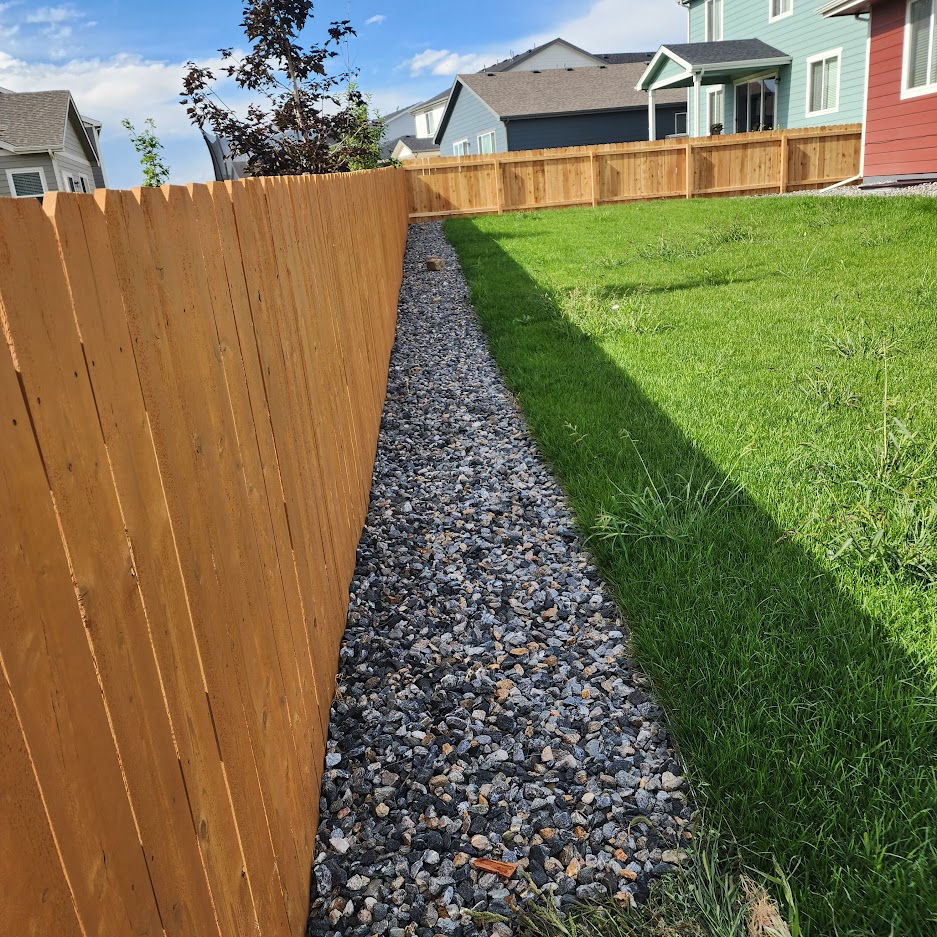
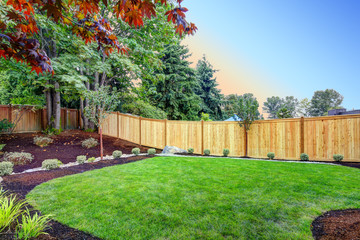
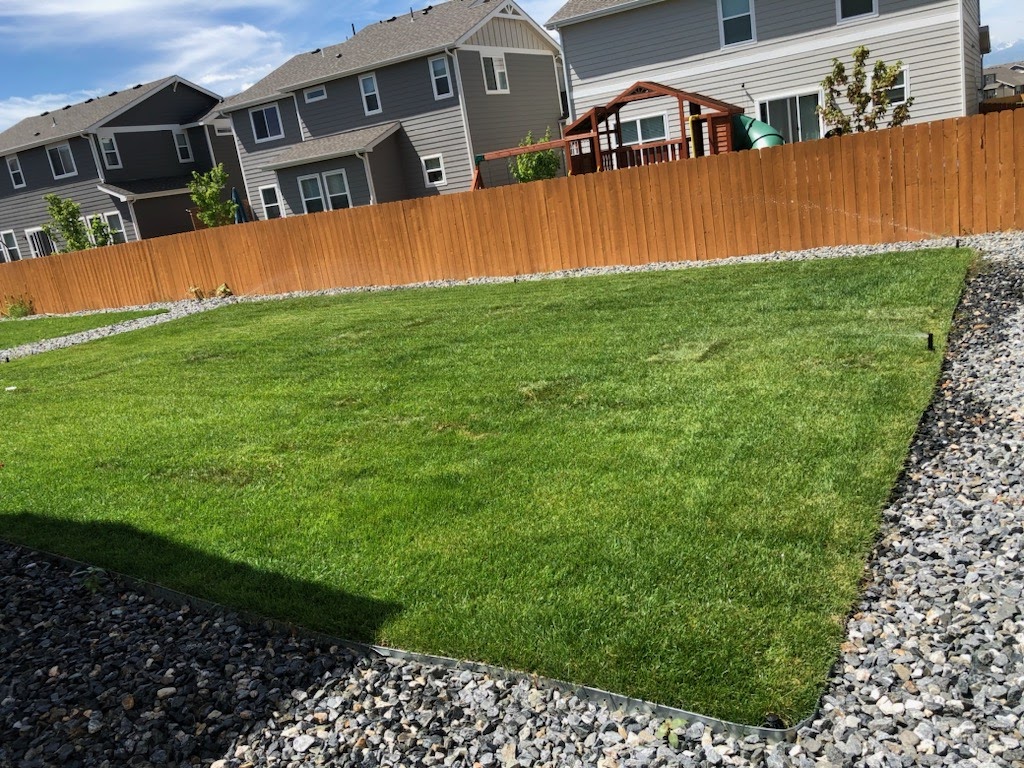
Western Red Cedar has long been a popular choice as a fencing material in the Rocky Mountain Region. Cedar is extremely durable, and holds up well to the extreme weather conditions in our area. Typically, a cedar fence will outlast fences made from softer, less durable wood, such as pine. In addition to its inherent durability, the natural oils present within the wood will help deter decay, rot and insect damage with minimal shrinkage. Although not needed for longevity, cedar accepts common commercial brand stains pr paints to create a custom look.
FENCES SERVICES INCLUDES
PVC FENCES
A plastic/vinyl fence (or PVC fence) is a fence made using synthetic plastics, such as polyvinyl chloride (PVC) polypropylene, high density polyethylene, or from various recycled plastics. Synthetic fencing was first introduced to the agricultural industry in the 1980s as a durable, low-cost solution for cattle and horse fencing. Now, synthetic fencing is used for agricultural, residential and commercial use including rail fence, semi-privacy, privacy and picket style fencing. Synthetic fencing is generally available preformed, in a wide variety of styles and a few select colors. It tends to be easier to clean, resists weathering and has low maintenance requirements.
COMPOSITE FENCES
Composite fences are products that are a mixture of wood fiber, plastic, and some type of binding agent. These ingredients are put together to form a material that is stronger, denser and heavier than wood alone. Composite material comes from the manufacturer as a finished product. There is no need to sand, stain or paint the material. Composite materials usually cost more than lumber, but their long life and low-maintenance properties can make them more economical in the long run.